Entry · Ref Q00F2Z59
Pet Dental Care at prairievilleanimalhospital.com: Teeth Cleaning Facts
- Posted
- 2026-09-30
- Last amended
- 2026-09-30
- Account
- @finnbjry267
From my years in practice, I have learned that a pet’s smile is more than a snapshot of health. It is a window into nutrition, chronic disease risk, and daily comfort. When you walk into Prairieville Animal Hospital, you notice two things at once: the careful calm of the exam rooms and the steady rhythm of patient care that begins the moment a pet steps through the door. Pet dental care sits at the crossroads of those elements. It is not just about fresh breath or a gleaming set of teeth; it is about preventing pain, infection, and the kind of chronic inflammation that quietly wears down a pet’s quality of life. The facts surrounding teeth cleaning, what actually happens during a professional cleaning, and how to build a sustainable home routine are not arcane secrets reserved for specialists. They are practical, daily decisions that many pet owners can integrate into a real world schedule.
The topic deserves an honest, grounded look. At prairievilleanimalhospital.com, the veterinary clinic offers a comprehensive approach to pet wellness that acknowledges dental health as a core component of overall well being. A pet wellness exam is not a one off checkup; it is the start of a long-term plan that champions prevention, early detection, and compassionate care. In the following sections, I’ll share what a dental cleaning entails, why anesthesia is part of the process, how to interpret dental health signals, and how to weave dental care into your life without it feeling like a burden. I’ll also draw on practical experiences from working with families who juggle busy schedules, multi-pet households, and the inevitable surprises that come with pet care.
What makes a dental cleaning necessary, and how it fits into a broader wellness plan
To talk about teeth cleaning and dental work with any confidence, you need to tether it to the bigger picture of health. A dog or cat with healthy gums and clean teeth tends to have fewer episodes of infections that can travel to the heart, liver, and kidneys. That is not marketing talk; it is a straightforward clinical reality supported by decades of veterinary dental research and daily practice. When we examine a patient at prairievilleanimalhospital.com, we don’t just poke around for tartar and call it a day. We assess bite alignment, tooth mobility, and gingival health. We listen to the owner about eating habits, chewing patterns, and whether the pet shows overt signs of discomfort during routine activities like brushing, playing fetch, or even yawning.
A routine dental cleaning usually involves several steps designed to minimize infection risk and maximize comfort. First, we perform a thorough assessment under anesthesia. Then comes the scaling, both above and below the gumline, to remove calculus and plaque that brushing cannot fully eliminate. After scaling, the teeth are polished to reduce future plaque accumulation. Finally, a complete oral evaluation is performed, sometimes with dental radiographs to uncover issues beneath the surface that are not visible to the naked eye. For many pets, this sequence is the key to preventing a cascade of problems that manifest as pain, loss of appetite, or chronic bad breath.
The role of anesthesia in dental care is sometimes misunderstood. A pet that is awake for a cleaning cannot be reliably immobilized enough to allow safe, thorough scaling and probing. Beyond comfort, there is a patient safety argument: under anesthesia, we can monitor heart rate, breathing, and blood pressure, and we can take dental radiographs as needed without straining the animal or the veterinarian. The reality is that modern anesthesia in veterinary medicine is safer than many people expect when managed by trained teams, with pre-anesthetic screening and careful monitoring throughout the procedure. At prairievilleanimalhospital.com we tailor anesthesia plans to the individual, taking into account age, existing health conditions, and any medications the pet is taking. This careful planning helps minimize risk while maximizing the quality of the dental cleaning itself.
From the perspective of daily life, the decision to pursue dental cleaning for a pet is often a choice between manageable, scheduled care and escalating, painful disease that requires more extensive treatment later. The affordability question is real and valid. A professional cleaning is an investment that can reduce the likelihood of expensive extractions in the future. Yet every pet is different; some require more frequent care or more extensive work than others. Our team helps families balance prevention with practical realities, offering transparent estimates and clear explanations of what is included in a cleaning versus what might require additional procedures.
What a pet dental cleaning looks like in practice at a veterinary clinic
On the day of a cleaning at prairievilleanimalhospital.com, the process is methodical but designed to feel calm for both owner and pet. We begin with a pre-surgical check to ensure readiness for anesthesia. The pet is placed on monitors, and IV fluids support hydration and sedation depth. Once the patient is under the protective care of our team, we move through the scale and polish phase with a level of detail that would be impractical in a home setting. We use specialized tools to remove stubborn tartar from above and below the gumline, because surface brushing alone rarely tackles the calculus that hardens over time. The below-surface work is critical; a tooth that seems clean on the outside can harbor pockets of infection within the sulcus if calculus has formed at the gum edge.
The dental radiographs that sometimes accompany a cleaning are a quiet but powerful diagnostic tool. It is not uncommon to discover a tooth root fracture, bone loss around a tooth, or an unerupted tooth that influences the overall oral health of the mouth. Those discoveries guide decisions about extractions or targeted treatments, which in turn influence how quickly a pet returns to normal function and appetite after the procedure. If extractions are necessary, they are performed with the same emphasis on safety and comfort that marks the initial cleaning. The goal is to preserve as much healthy tooth structure as possible while removing the sources of infection or pain.
Communication with pet owners after the procedure is as important as the procedure itself. You will receive a report that outlines findings and provides a plan for home care, potential dietary adjustments, and follow-up checkups. It is not a one-size-fits-all handout. A well-informed plan reflects the pet’s age, breed, and lifestyle, as well as any behavioral factors that can influence recovery. If a veterinary clinic prairievilleanimalhospital.com is your partner, the aftercare guidance tends to be practical and specific. It might include soft-food transitions, monitoring for swelling or discomfort, and a note about any prescribed medications such as analgesics or antibiotics.
The practical side of aftercare also deserves attention. After a dental cleaning, most pets recover quickly, but there are important rules to observe. The first 24 to 48 hours often involve staying in a quiet area, resisting hard chew toys, and accepting a slightly altered appetite while the mouth adjusts. Some pets may seem subdued or more tired after anesthesia, which is normal. If a pet shows persistent signs of distress, such as vomiting beyond the early post-anesthetic period, extreme lethargy, or refusal to drink water, a call to the clinic is warranted. The goal is a smooth transition back into regular activity with minimal discomfort and a steady improvement in appetite and energy as the mouth heals.
The broader dental health plan: prevention as a daily habit
Dental care does not begin and end with a single cleaning. It is a lifelong sequence of care that spans the pet’s entire boarding kennels prairieville la lifespan. A strong prevention program considers daily maintenance, regular assessments, and appropriate professional interventions as needed. At prairievilleanimalhospital.com, we routinely integrate dental health into the broader scope of pet wellness. That integration helps owners understand how dental care relates to other aspects of health, including nutrition, weight management, and behavior.
There are practical constraints to consider. Not every pet is a good candidate for professional cleaning at the same frequency. Smaller dogs or older animals may benefit from more regular checkups, while larger dogs with fewer risk factors might do well on a longer interval between cleanings. A practical approach starts with a baseline: a professional evaluation of teeth and gums, followed by recommendations tailored to the individual animal. It is not unusual for a family to realize that their pet’s dental needs change as the animal ages, or as new health issues emerge. The most effective dental plan remains flexible, with adjustments made as needed.

The role of home care cannot be overstated. A well-designed home routine works in tandem with professional cleanings to extend the life of a pet’s teeth and gums. Home care concentrates on three core areas: daily brushing, a dental-supportive diet or treats when appropriate, and regular checks for signs of trouble. It is not about perfection from the start; it is about incremental improvements that accumulate over weeks and months. The right routine for one pet might look very different from another, depending on temperament, tolerance for brushing, and available time.
Two practical lists to guide daily care and signs to watch for
-
Signs of dental disease to watch for between cleanings
-
Bad breath that persists despite regular brushing
-
Red or swollen gums, or gums that bleed during gentle probing
-
Difficulty eating or dropping food from the mouth while chewing
-
Excessive drooling or facial swelling near the jaw
-
Noticeable tartar buildup on the teeth or a change in the way the teeth fit together when the mouth closes
-
Daily home care steps that fit into a busy routine
-
Brushing the teeth of both dogs and cats, using a pet-safe toothpaste
-
Offering dental treats or chews that are approved by the veterinary team
-
Providing a dental-friendly diet where appropriate, with guidance from the clinic
-
Encouraging activities that promote jaw movement without hard resistance
-
Scheduling a reminder to recheck the mouth during the next wellness exam
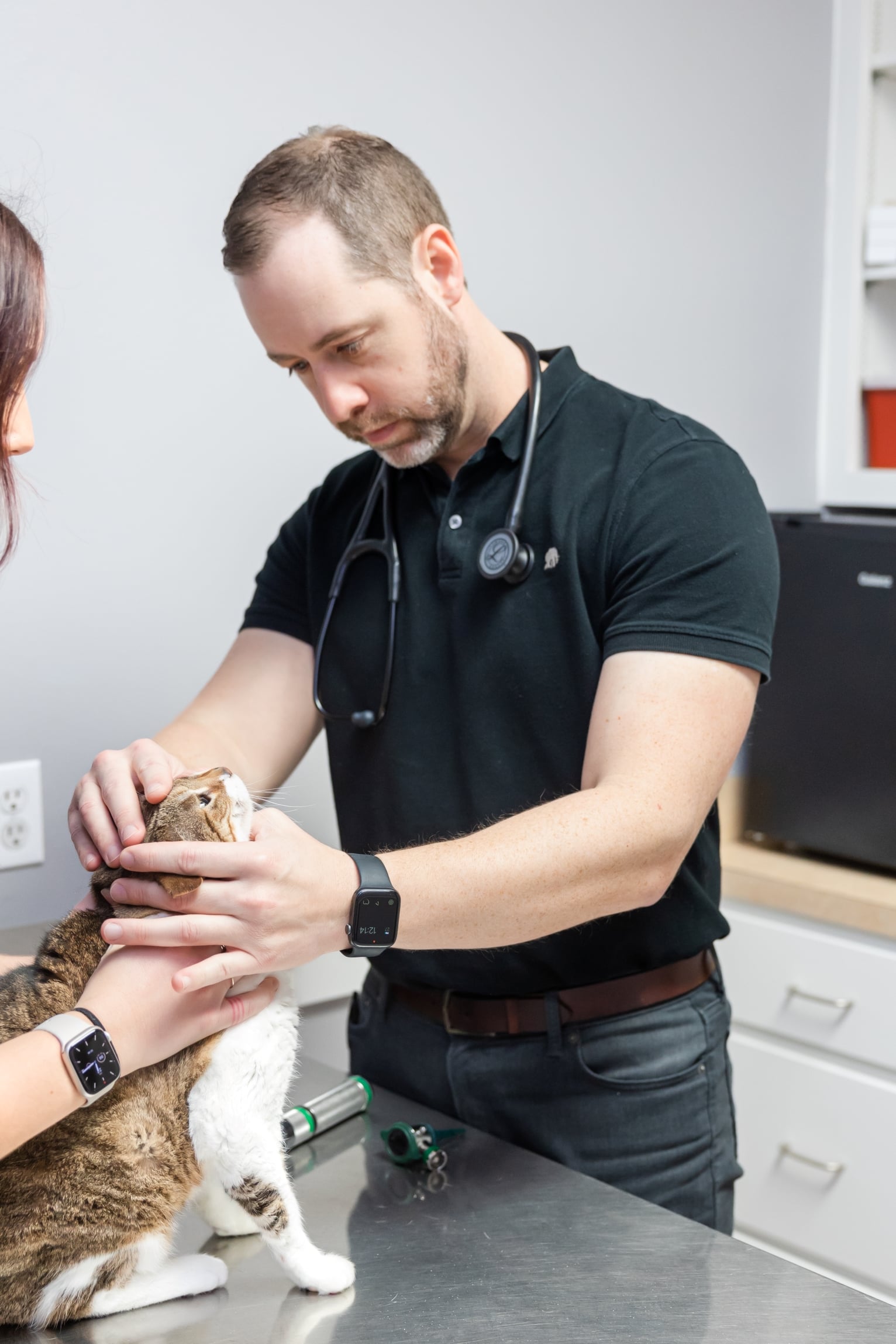
These lists are not a rigid protocol, but they offer a practical framework. They reflect the kinds of conversations I have with families who want straightforward, actionable steps. The goal is to build a routine that feels sustainable rather than burdensome. If a family cannot brush daily, even a few times a week combined with regular professional cleanings can yield meaningful benefits over the long term. The opposite is also true: aggressive home care without professional maintenance can still leave gaps where the veterinarian needs to intervene.
Choosing the right dental plan for your pet
There is no universal answer to how often a dental cleaning should occur. Age, breed, anatomy, and existing dental conditions all influence frequency. A young dog with no signs of disease might only need a cleaning every two years, while a senior Poodle mix with signs of gum recession could benefit from annual assessments. We rely on objective indicators like periodontal probing depths and radiographic findings, but we also weigh the owner’s capacity to maintain a home care routine. The most successful plans are those that align with a family’s daily life rather than forcing a dramatic, disruptive change.
Spay and neuter, vaccinations, and the overlap with dental health
Dental care does not exist in a vacuum. Veterinary clinics, including prairievilleanimalhospital.com, emphasize the connection between dental health and other preventive services. Spay and neuter surgeries, vaccinations for pets, and routine pet wellness exams all play a part in maintaining a healthy mouth and a healthy body. For instance, age-appropriate vaccinations help protect against infectious diseases that might complicate dental issues in the long run. Regular wellness exams provide opportunities to catch dental problems early, before they evolve into painful or costly conditions. The overall preventive plan is a tapestry, where dental care is a crucial but interwoven thread rather than a standalone service.
Edge cases and practical realities
No article about dental care is complete without acknowledging edge cases. Some pets are highly anxious at the prospect of any dental procedure. For these animals, clinics often implement gradual desensitization or sedation strategies designed to minimize stress while enabling necessary care. Others may have underlying health issues such as kidney disease or certain heart conditions that require careful coordination between anesthesia and anesthetic risk assessment. In those scenarios, the veterinary team collaborates closely with the pet owner to create a plan that minimizes risk and maximizes safety and comfort.
Another practical reality concerns diet and nutrition. The choice between dry kibble versus wet food or a combination can influence oral health in measurable ways. Some owners report that dry kibble provides a mild abrasive effect that helps reduce surface plaque. Others find a mixed approach preferable for a pet’s overall hydration status and appetite. The evidence is nuanced, and it is essential to discuss these choices with the veterinary team to tailor advice to the individual animal.
The emotional dimension of dental care is not to be underestimated. The simplest acts—touch, reassuring voice, consistent routine—can reduce fear and build trust. A well-run dental cleaning experience often leaves a pet with a sense of relief and a calmer demeanor in the days that follow. That effect echoes the broader aim of veterinary medicine: to preserve comfort and function while supporting the animal’s natural behavior and daily life.
A practical, humane philosophy for pet parents
The core philosophy behind dental care, as practiced at prairievilleanimalhospital.com, rests on respect for the animal and transparent communication with the family. It means acknowledging that a pet’s mouth is not just a set of teeth, but a living system that feeds, protects, and influences social interaction. A healthy mouth supports the ability to chew a balanced diet properly, to greet people with a broad, comfortable smile, and to engage in play without pain. That is not abstract; it is about the daily reality of a pet that can enjoy a healthy, pain-free life.
To implement this philosophy in daily life, start with a clear plan. Schedule a wellness exam that includes a dental assessment at a veterinary clinic prairievilleanimalhospital.com. If the exam reveals early signs of dental disease, you can discuss scaling, polishing, and radiographs, as appropriate. If the mouth looks relatively healthy but there are pockets of concern, your veterinarian may propose a targeted cleaning or follow-up plan. If there is already significant disease, extraction or more involved dental therapy may be necessary. The exact steps depend on the pet’s age, anatomy, and the owner’s willingness to pursue a robust preventive program.
A note on communication and partnership

The relationship between pet owner and veterinarian is not about being told what to do; it is about working together to determine the best path for a specific animal. I have seen families transform their pet’s health gradually through small, repeatable actions. The key is honest, timely information and a clear understanding of what each option means in terms of comfort, risk, and long-term health. Prairieville Animal Hospital emphasizes a collaborative approach. We listen to you, we explain the science in plain terms, and we help you weigh the trade-offs. This is not a brochure or a sales pitch. It is a shared commitment to a quieter, more comfortable life for the pet and a less anxious, more informed experience for the owner.
Practical experiences from the field
Over the years I have learned that successful dental care requires more than a single event. It requires a routine you can sustain. A family that schedules a dental cleaning for their senior cat every year and then adjusts the at-home brushing regime often reports a meaningful difference after even a single year. Conversely, I have watched pets with poor dental health show surprising improvements when caretakers make a firm effort to integrate brushing into morning or evening routines, even if progress is slow at first. The middle ground—steady, incremental change—tends to yield durable results. There is no trick, no miracle tool; just consistent effort, professional guidance, and a willingness to adapt to a pet’s changing needs.
A vibrant dental culture inside the veterinary clinic
What I appreciate about prairievilleanimalhospital.com is the environment that promotes thoughtful care rather than hurried treatment. Our team takes the time to discuss the dog or cat’s mouth at every wellness exam and to offer plans that suit the owner’s life. We do not rush through cleanings. We emphasize gentle handling and explain how anesthesia works, what the procedure entails, and what to expect post-operatively. The staff are careful, steady, and forthright in discussing costs and expectations. This transparency matters, especially when families are balancing multiple healthcare needs for several pets.
The future of dental care for pets is not a fantasy. It is a practice built on routine, on the careful use of diagnostic tools like dental radiographs, and on the honest, ongoing partnership between a veterinary clinic prairievilleanimalhospital.com and the families they serve. In the hands of a skilled team, dental care becomes a predictable and manageable component of overall wellness rather than a frightening, episodic event.
Closing thoughts
A well cared for mouth supports a well cared for life. The dental cleaning is a pivotal moment in that life, but it is not an endpoint. It is part of an ongoing conversation between you and your pet’s care team. The best outcomes come from a plan you can maintain, with clear expectations and a realistic schedule. If you are unsure where to start, the simplest step is to schedule a wellness exam that includes a dental health assessment. From there, the veterinary team can tailor a plan to fit your pet’s age, health, and temperament, while respecting the realities of your daily life.
If you have concerns about your pet’s teeth, or if you have questions about what a cleaning at prairievilleanimalhospital.com might involve, do not hesitate to reach out. The practice is designed to be approachable, and the goal is always to support you in providing your pet with the best possible care. The mouth is a doorway to overall health, and maintaining it is a practical, respectful act of prevention that pays dividends in comfort, vitality, and long-term well being.