Entry · Ref M0I5QGKC
Pet Wellness Exams Prairieville Animal Hospital: Pediatric to Geriatric Care
- Posted
- 2026-09-30
- Last amended
- 2026-09-30
- Account
- @finnbjry267
The exam room is more than a checkmark on a calendar. It is the narrative of a animal’s life told through physical cues, behavior, and the quiet language of a pet that trusts you enough to stand still while a stethoscope listens. At Prairieville Animal Hospital, pet wellness exams are less about ticking boxes and more about stewardship across a lifetime. From the jittery energy of a puppy to the measured steps of a senior cat, we approach each visit as a chance to map a path forward that respects where your companion has been and where they are headed.
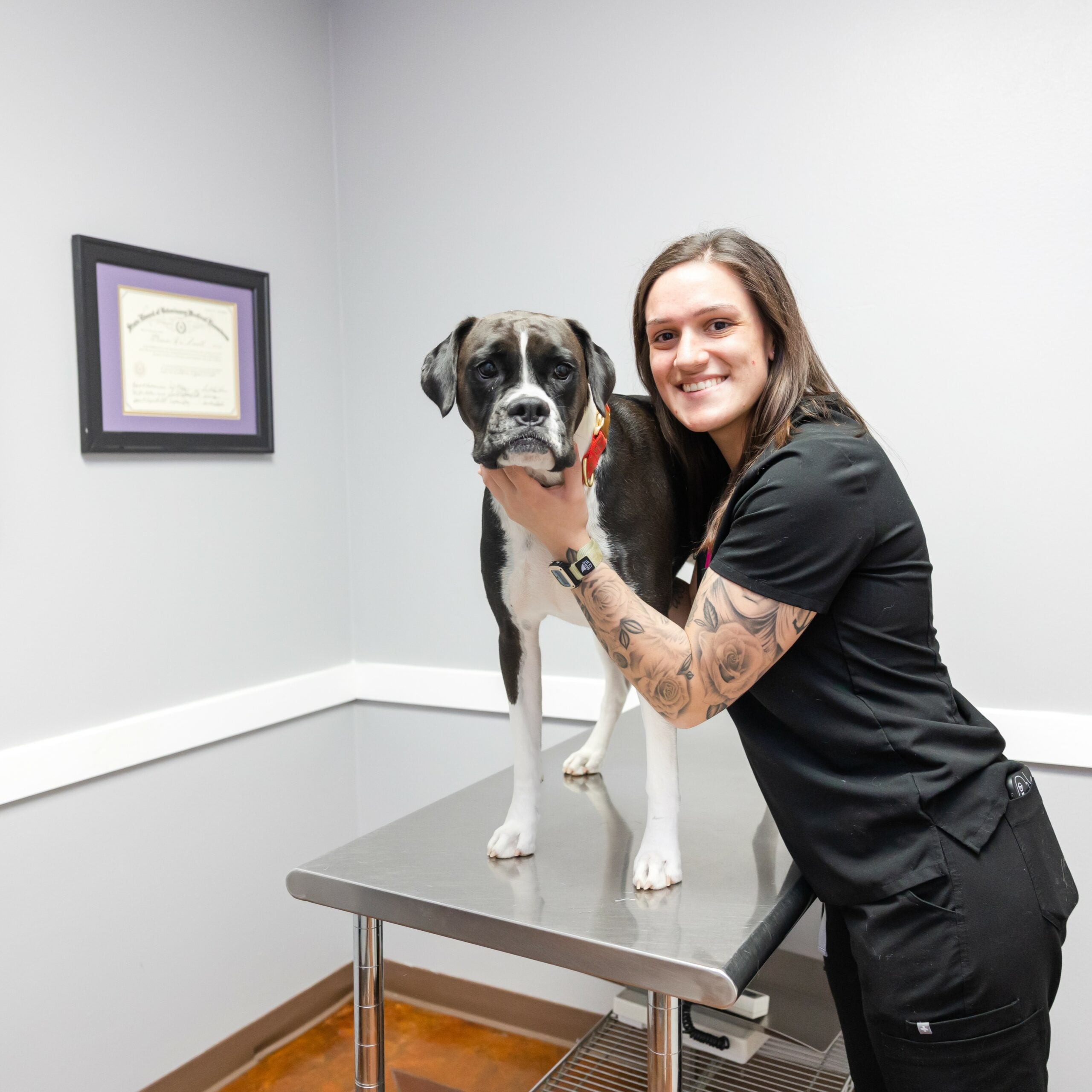
The practice has grown into a continuum, a thread that links routine vaccinations to dental care, GI comfort, mobility, and mental well being. The emphasis remains practical: what does this mean for daily life, for play, for feeding, for sleep, for the little rituals that define a pet’s day. You will hear the same names in our notes—heart rate, joint health, dental health, kidney function—yet each entry carries a unique story because every animal is different. The joy in pediatric visits comes from shaping a healthy start, while senior visits emerge as a patient, observant conversation about quality of life and comfort. Our goal is not merely to preserve life but to enrich it with small, repeatable wins that add up over time.
A humane, evidence-based approach underpins our care. We anchor decisions in a blend of clinical experience, up-to-date guidelines, and the realities of family life. If you are bringing a two-year-old terrier through our doors for the first time, you will notice a cadence that blends warm reassurance with precise assessment. If your cat approaches their twilight years, you will encounter a team that knows how to calibrate care toward comfort and autonomy, while still addressing preventable risks. Across all stages, wellness exams at Prairieville Animal Hospital aim to prevent problems before they become problems, and to catch early signs that warrant attention.
Pediatric beginnings: setting a tone for healthy development
When a new puppy or kitten arrives, the first wellness exam is about learning their baseline. We take a careful inventory of growth patterns, vaccination status, parasite control, and environmental exposure. The early months are a moving target, and that is not a problem so much as a call to adjust expectations. A growing pet’s physiology shifts quickly; what we notice at eight weeks may look different at sixteen weeks. Because puppies and kittens are often in homes with other animals, busy schedules, and variable diets, the exam becomes a practical coaching session for families. We discuss schedule, training, enrichment, and safe socialization. The medical part of the visit is direct: vaccines administered in a timely sequence, dew claws trimmed when necessary, and a dental screen that lays the groundwork for future care. We talk about spay and neuter as part of a balanced life plan, not as a recommendation born of a single visit. The aim is to minimize anesthesia exposure while maximizing long-term benefit, a balance we approach with care.
The backbone of the pediatric exam is a structured yet flexible framework. A quick look at the mouth can reveal early dental concerns that matter later. A chest auscultation can reveal maturational changes in heart and lung function, something that is surprisingly informative for a pet that boarding kennels prairieville la spends most of its day gnawing on a toy. We review parasite control strategies, because intestinal worms, fleas, and ticks carry implications beyond a single month. Nutrition is a constant topic, not a side note. Young animals thrive when a diet supports steady growth, with appropriate energy density and essential fatty acids for skin and coat health. We emphasize environmental safety as well, such as safe chew toys and the importance of microchipping for reunification should a pet go astray.
Early care cannot exist in a vacuum. The family’s daily rhythm, their work schedules, and even regional concerns about climate shape the plan. In Prairieville, we often tailor advice to a mix of indoor and outdoor living. If a pup loves long afternoon play sessions, that energy needs to be channeled into safe activities that promote muscle development and social learning. If a kitten thrives on vertical exploration, we offer guidance on safe climbing routes and enrichment that supports mental development. The pediatric exam is the seedbed from which later care grows, and we treat it with the seriousness it deserves.
Vaccinations and preventive care across life stages
Vaccinations provide a foundation for a long and healthy life, but their role shifts with age. In puppies and kittens, core vaccines are the cornerstone of preventable disease protection, delivered in a timely schedule. The adult years demand ongoing protection with boosters at intervals designed to maintain immunity without overloading the immune system. For seniors, the focus broadens to include ongoing surveillance for chronic conditions that tend to reveal themselves gradually.
Preventive care extends beyond vaccines. Routine parasite control helps reduce the risk of transmission to humans and to other animals. Regular dental screenings in a well-pet can avert the cascade of issues that poor oral health can trigger, from pain and reluctance to eat to systemic inflammation that quietly travels through the body. We also keep an eye on weight management, a simple measure that correlates with life expectancy and quality of life. All these elements come together in a comprehensive plan that evolves with the pet’s age and health status. The conversations are practical and honest, with a shared understanding that the aim is to prevent, detect early, and treat effectively when needed.
Two concise lists to orient preventive care
- Core vaccines and schedule essentials for most dogs and cats in this region
- Routine wellness checks and what they typically cover in a year
These lists serve as a practical reference rather than a prescriptive rulebook. Our team tailors every plan to the individual animal, factoring in lifestyle, exposure risk, and any prior medical history. When you discuss vaccines here, you will hear a direct, numbers-driven conversation about timing, duration of immunity, and what triggers a booster. No guesswork, just clear planning that aligns with your calendar and your pet’s needs.
From adolescence to adulthood: keeping mobility, behavior, and comfort aligned
As dogs and cats pass through adolescence into adulthood, the body shifts in ways that are both visible and subtle. Many families notice minor changes in energy, appetite, or coat quality. These are the moments when a wellness exam becomes a diagnostic conversation rather than a routine formality. Musculoskeletal health deserves attention early, especially for breeds prone to joint issues or for pets that accumulate several years in an active household. We will discuss weight management strategies tailored to your pet’s metabolism. We also review behavior in context, because what you see at home—anxiety around car rides, reluctance to jump, or a sudden preference for solitary time—can signal underlying discomfort that deserves attention.
We lean into the practical constraints of modern life. A typical adult exam balances a physical evaluation with a candid discussion about care routines at home. You may walk away with a few concrete changes: a revised dental brushing plan, a new approach to daily exercise that protects joints, and a dietary adjustment designed to support lean mass. In some cases, we propose targeted screening tests that catch illnesses in their early stages. These tests are not meant to alarm but to empower families with information that can guide treatment decisions, sometimes slowing the progression of disease or catching a condition before it interferes with daily life.
A note on dental health inside wellness care
Dental disease is not a cosmetic issue in a pet’s life. It affects appetite, energy, mood, and even heart and kidney function when left unchecked. The wellness exam is the moment to evaluate tooth health and to establish a plan that respects the pet’s tolerance for dental work. We begin with a dental screen during the physical exam and move toward a professional cleaning when indicated. For many animals, daily dental care at home makes the biggest difference over time. We offer guidance on brushing technique, appropriate chew toys that reduce plaque, and the kinds of diets that support oral health. The goal is not to force a routine but to integrate a sustainable habit that can be followed by the whole family.
Senior care: embracing aging with dignity and clarity
The senior years bring a new set of priorities. Our approach centers on comfort, mobility, and mental clarity. Senior pets often benefit from more frequent wellness checks that catch subtle shifts in energy, appetite, or activity level. We monitor organ function with targeted tests that reflect the most common issues in aging pets. Kidney and liver health, thyroid function, and joint comfort are high on the list. We talk openly about medications and supplements that might optimize well-being, while remaining mindful of the burden of polypharmacy on a household that already juggles multiple routines.
Pain management becomes a central theme in senior care. Pain is not always obvious in older animals, and aggressive attempts to verify it can be unhelpful if we do not listen for the right signals. We teach families how to spot changes in posture, breathing, or willingness to move. We discuss environmental adjustments that reduce strain, from supportive bedding to accessible litter box setups and ramps that ease transitions between flooring surfaces. The aim is to maintain independence for as long as possible, without sacrificing comfort or enjoyment of daily life. We view each senior pet as a partner in a long-term plan, not as a data point in a chart.
Spay and neuter, vaccines, and the ethics of elective surgeries

Spay and neuter remain central to our preventive strategy when the timing is appropriate for the patient and the family. The decision is never taken lightly. We consider the animal’s health status, risk profile, and the owner’s readiness to manage post-operative care. Our surgical team emphasizes safety, pain control, and rapid recovery. For many pets, the benefits extend beyond population control to improved behavior and reduced risk of certain cancers. We strive to provide transparent information about anesthesia, expected recovery, and potential complications so families can make informed choices.
Vaccination planning sits side by side with spay and neuter discussions, because both choices are part of an overarching life plan. We do not treat vaccines as isolated interventions. They are one tool among many for maintaining a robust baseline of health. The conversation naturally extends to preventive care strategies that minimize risk while maximizing the pet’s daily enjoyment. If a family has a particular concern—perhaps a pet with a history of allergic reactions or a household with very young children—we tailor the approach. This flexibility reflects a practical reality: no two homes are the same, and a veterinary plan must acknowledge those differences.
Choosing the right care pathway: a practical method for families
The care pathway a family chooses depends on a blend of lifestyle, budget, and the pet’s unique health story. A pragmatic approach in Prairieville is to sequence care so it remains sustainable. We aim for predictable plans you can integrate into your schedule and your pet’s routine. If your dog thrives on daily walks, we focus on nutrition and joint health that supports long-term mobility. If your cat prefers lounging by the window, we ensure dental and kidney health are monitored in a way that fits their quiet pace. The idea is to harmonize medical rigor with the realities of everyday life, so wellness becomes a habit rather than a burden.
We also recognize edge cases that require creative thinking. Some pets can tolerate only short visits or lie quietly during examinations, while others need more time to relax and let us complete a thorough assessment. In such moments, patience from the staff and clear communication with families become the true instruments of care. We document every decision and every observation so that the next appointment builds on the previous one rather than starting anew.
Feeding, activity, and the daily rhythm of care
Nutrition is a practical anchor for wellness. The right diet supports growth, weight stability, coat health, and energy levels. Our recommendations are not one-size-fits-all. We weigh factors such as age, breed, activity, and any known health concerns. The daily rhythm of meals, treats, and training sessions matters as much as the formula in a bowl. We encourage families to keep a simple log for a couple of weeks: notes on appetite, stool quality, energy bursts, and nap patterns. Such records provide a tangible map when you return for a wellness exam, allowing us to spot trends that might otherwise go unnoticed.
Physical activity is another pillar. We tailor exercise plans to age and capability. Puppies may need several short play bouts that gradually increase in duration, while senior dogs benefit from low-impact routines that protect joints. For cats, enrichment can be as important as scheduled veterinary care. We discuss environmental enrichment, scratching posts, perches, and safe playtime that keeps muscles engaged without creating friction with aging joints.
Practical aspects of care at Prairieville Animal Hospital
A wellness exam is a collaborative effort. You bring your knowledge of home routines, and the veterinary team brings its clinical experience. The exchange happens in plain language, without jargon that shrouds the purpose of the visit. We explain test results in context. If a blood panel shows slightly elevated kidney markers in a senior cat, we do not panic. We discuss the meaning, the next steps, and the adjustments that can preserve quality of life. If a puppy needs a booster, we align it with the right stage of development, avoiding unnecessary repetitions that can erode attention and compliance.
Our clinic emphasizes accessibility as well. The scheduling is designed to minimize stress for animals that fear visits or experience anxiety in unfamiliar settings. We adapt the environment when necessary, offering gentle handling techniques, quiet rooms, or a brief acclimation period before procedures. The goal is to create a predictable, humane experience that reduces fear and makes wellness examinations something to look forward to rather than endure.
Two additional lists to ground practical decisions
- A compact guide to common age milestones and the corresponding wellness touchpoints
- A practical checklist families can use between visits to support ongoing health
These lists are meant to be functional rather than exhaustive. They capture the essence of what keeps a pet thriving across life stages, while leaving room for individual variation. Our team continually revises these references as new evidence and local conditions evolve, ensuring that our recommendations stay current without sacrificing the human touch that defines Prairieville Animal Hospital.
The importance of trust and partnership
Pet wellness is not a set of procedures performed in isolation. It is a relationship among three partners: the family, the patient, and the veterinary team. The family provides context—the routines, the environment, the concerns that keep them up at night. The patient offers a living, breathing picture of health and personality that changes over time. The veterinary team translates clinical insights into actions that the family can implement without feeling overwhelmed. Trust grows when every conversation is rooted in honesty, when risks are laid out plainly, and when the plan is adaptable to new information.
We understand that this is a long arc. A wellness exam in a puppy phase is about setting a stable trajectory; a routine check for an adult reflects the maturity of daily habits; a senior exam honors a life filled with nuance and experience. The format remains consistent: observe, measure, discuss, and adjust. The family leaves with a clear plan and a sense of competence in managing a pet’s health at home. The patient leaves with the comfort of a familiar, compassionate team that knows their preferences and tolerances.
Edge cases and how we handle them
There are moments when a pet presents with atypical symptoms or unusual risk factors. For instance, a geriatric dog with intermittent gastrointestinal upset may benefit from a structured approach that includes a targeted diet trial, a careful review of medications, and a stepwise elimination of potential triggers. This kind of scenario requires flexibility—knowing when to pursue additional imaging, when to opt for a non-invasive test, or when to initiate a short-term treatment to gauge response. We avoid rushing to invasive interventions when a non-invasive pathway offers clarity, and we always align with the family’s tolerance and goals.
Similarly, a young cat with subtle signs of respiratory distress may prompt a quick, decisive set of tests to confirm the diagnosis, followed by a plan that minimizes disruption to the cat’s routine. The key is to balance urgency with prudence, ensuring that each action serves a meaningful purpose. The team communicates the rationale clearly, so families feel involved and informed rather than surprised or overwhelmed.
Putting it into practice: a typical wellness visit what to expect
In a routine wellness examination, you can expect a comprehensive physical assessment that covers every major system: heart and lungs, eyes, ears, mouth, skin and coat, musculature, joints, and abdomen. We assess body condition score and monitor weight trajectories because small changes here often herald bigger shifts in health. A focused dental screen is included to flag early pathology that could escalate if ignored. We discuss nutrition, environmental hazards, behavior, and vaccination status, weaving these threads into a practical plan for the months ahead.
If tests are recommended, we explain what they measure, what the results could imply, and how they will influence the care pathway. The tone is collaborative rather than prescriptive. Families leave with printed materials, appointment reminders, and a clear sense of what is expected between visits. We strive to minimize surprises while setting realistic expectations for the pet’s health journey.
A closing thought
Wellness exams connect the dots between daily life and long-term health. They translate the body’s subtle signals into a course of action that families can implement with confidence. The experience at Prairieville Animal Hospital is built on consistent, thoughtful care that respects the bond between people and their animals. Our aim is not to chase every possible problem but to identify the ones that matter most in real life, keep you informed, and preserve the joy that pets bring to homes every day.
In the end, wellness is a practical philosophy as much as a medical protocol. It is a daily commitment you make with your veterinarian, for your pet, and for your family. It is the quiet steady work that makes the difference between a lifetime of companionship and a year that feels like a string of urgent visits. When you bring your pet through our doors, you are not simply scheduling a visit. You are adding a chapter to a life story that deserves careful attention, informed choices, and the steady hand of a partner who has learned, over years, how to listen to what a pet needs at every stage. Prairieville Animal Hospital will be there for each page, time and again.