Entry · Ref LIYED1Y9
Prairieville Animal Hospital Veterinarians: Behind the Scenes of a Wellness Exam
- Posted
- 2026-09-30
- Last amended
- 2026-09-30
- Account
- @finnbjry267
On a quiet weekday morning, the door to Prairieville Animal Hospital opens and the familiar scent of antiseptic, soft bedding, and a hint of vanilla shampoo drifts through the lobby. I’ve spent years here, watching routines evolve and personalities settle into the rhythm of a well run practice. The wellness exam is more than a checklist; it’s a collaborative moment that blends science, observation, and trust. The veterinarians here know how a single heartbeat variation or a tail flick can tell a broader story about a patient’s health and a family’s concerns. What unfolds in that exam room is the result of years of training, countless patient encounters, and a steady stream of small decisions that keep pets thriving.
The opening minutes are almost ceremonial. The client arrives with a mix of nerves and relief, a familiar pattern in a community hospital where people and their animals grow into the same space over time. We start with a few questions that seem straightforward but are foundational. Has the dog lost weight recently, even if the scale doesn’t reflect a dramatic difference? Is the cat drinking more water than usual, a signal that we should check thyroid function or pancreas health? Small, precise questions guide the broader assessment and set the tone for partnership rather than inspection. The exam feels collaborative because it is. The pet is an individual, and the family is a team.
The room itself is a study in practical calm. There’s a scale for body condition, a wall of charts that map vaccinations across ages and species, and a whiteboard with the day’s reminders for follow up and rechecks. The veterinarian enters with a calm gait, carrying the patient’s chart as if it were a map detailing both risk and opportunity. We begin with a quick observation. How is the coat laying—smooth and glossy, or dull and dry? Are the eyes bright, or is there a hint of discharge that deserves a closer look? The body language of the animal matters as much as the numbers on the clipboard. Relaxed posture, a gentle wag, a soft purr, or a guarded stance all communicate layers of information that we incorporate into our plan.
The wellness exam isn’t about pushing a single outcome; it’s about weighing multiple factors against each other. A pet’s age, breed tendencies, recent behavior shifts, and owner concerns all come into play. We balance quantitative data with qualitative impressions. A blood pressure reading might be perfectly within range, but a client’s worry about muscle tremors could signal a need for further neurologic evaluation or simply a change in management. The nuance comes from listening to both the animal and the people who brought it in. Our job is to translate clinical signals into actionable, compassionate care.
The physical exam forms the backbone of the visit, but it is seldom linear. We move from exterior observations to more hands-on assessments with a deliberate sequence. The heart and lungs are evaluated first, because their condition often underpins broader health risks. The stethoscope becomes a listening partner as we identify murmurs, irregular rhythms, or unusual sounds that warrant a closer look. Even when everything seems normal, those quiet checks add up. They create a baseline—an anchor point we return to across visits, across ages, across small changes that might otherwise be overlooked.
A wellness exam at Prairieville Animal Hospital is a balance between routine and attentive scrutiny. Vaccinations are updated according to age and exposure risk, but we never rush the conversation. A client may have questions about vaccine scheduling, potential side effects, or alternatives for specific populations such as senior pets or those with preexisting conditions. We provide clear explanations, not just instructions. We describe the rationale behind each recommendation, the possible trade-offs, and the climate in which the animal lives. A dog with a neighborhood walk habit, a cat that lounges in sunny windows, a terrier with a history of skin allergies—each profile shapes the plan for vaccination, nutrition, dental care, and preventive medicine.
The dental check is often a turning point in a wellness exam. It’s not just about fresh breath; it’s about the long-term health of the mouth, which can influence systemic health. We look for gingivitis, tartar buildup, loose teeth, and signs of periodontal disease. We assess how the pet chews, whether there are problem areas during meals, and if there’s a need for dental radiographs to detect issues beneath the gum line. It’s easy to underestimate how critical dental health is, but the data is clear: oral health correlates with heart, kidney, and liver function in meaningful ways. If we find early signs of disease, we map boarding kennels prairieville la out a conservative plan that centers on prevention and, when needed, coordinated care with a dental specialist.
The weight of information in a wellness exam often lands on the scale. Body condition scoring isn’t a casual remark; it’s a quantitative judgment that informs diet, exercise, and cardiovascular risk. Oversight here can silently influence longevity or quality of life. We discuss dietary adjustments not as a one-size-fits-all prescription but as a tailored conversation that respects the pet’s preferences, the family’s routines, and the home environment. The clinic’s experience with thousands of pets in Prairieville gives us a practical sense of what tends to work, what gets abandoned, and what requires thoughtful follow-up. Each recommendation is crafted with an eye toward feasibility and long-term adherence.
The exam also leans on a well-chosen set of screening tests that reflect the animal’s age and risk profile. Bloodwork, urinalysis, and sometimes imaging are not punitive measures but proactive ones. We’re looking for subtle cues that could indicate diseases in their earliest stages, long before symptoms emerge. A geriatric cat might benefit from a kidney function panel paired with a urine culture, while a middle-aged dog could require an endocrine screen if subtle weight gain and lethargy show up together. The decision to test is a collaborative choice, not a unilateral directive. We explain the expected yield, the potential next steps if something unusual pops up, and how the family should track progress at home.
Communication with the client is a discipline in itself. We see clients arrive with a mix of confidence and concern, and we aim to match the tone to their needs. Some families appreciate a straightforward, data-driven summary; others want to understand the story behind the numbers. We adjust our language accordingly, translating medical jargon into practical implications. We also acknowledge uncertainty where it exists. A normal blood pressure reading might still be accompanied by a note about variability and the importance of retesting if future visits reveal a trend. There is no shame in asking for clarification, only missed opportunities to protect a pet’s health.
Behind the scenes, a wellness exam is a team effort. The veterinarian, the technician, and sometimes a receptionist share responsibilities that keep the process smooth. A technician may measure, weigh, and restrain with gentle efficiency, while the veterinarian interprets findings and explains them to the owner. The receptionist coordinates scheduling and records, ensuring that the appointment trajectory remains transparent. The whole team works to minimize stress for the patient. We know which breeds respond best to pheromone calming aids, which cats benefit from warm towels in the examination room, and which dogs react more positively to a short walk before the appointment to burn off a little energy. Small touches, repeated across dozens of visits, accumulate into a humane, predictable experience that families come to rely on.
There are moments in which a wellness exam reveals a challenge that will require more than routine care. The pet might need a preventive medication adjustment, the family could be considering a transition to a specific prescription diet, or we may identify a chronic condition that requires ongoing management. In those moments, the exam turns toward partnership rather than diagnosis alone. We discuss what success looks like in the next 90 days, what metrics matter, and how to implement changes at home. The conversation may extend beyond the room with a phone call later in the day or a follow-up appointment to explore questions that emerge after reflection. We want families to feel that they are supported rather than directed, that the plan is practical rather than theoretical.
The effectiveness of a wellness exam rests on a continuum of care that stretches across seasons and lifecycles. For a puppy or kitten, the conversation emphasizes growth, vaccination, parasite prevention, and socialization. For an adult animal, the emphasis shifts toward weight management, dental health, and preventive screenings aligned with age. For seniors, the focus expands to organ function, mobility, cognitive health, and quality of life. Each phase has its own challenges, but the underlying approach remains consistent: assess risk, inform the family, and partner on a plan that preserves the animal’s vitality.
In practical terms, the wellness exam is a gateway to many kinds of care that Prairieville Animal Hospital veterinarians deliver every day. We’re not simply dotting i’s and crossing t’s; we’re calibrating a relationship with the animal and its humans. The animals provide the data, but the stories belong to families. A dog who loves to ride in the car but hates the scale might create a brief moment of tension followed by a plan that includes a reward-based approach to gradual acclimation. A cat who tolerates handling during a check-up in the clinic but loses interest at home may prompt discussion about enrichment and home safety. The clinic becomes a living lab where everyday experiences translate into health insights that can be acted upon in the real world.
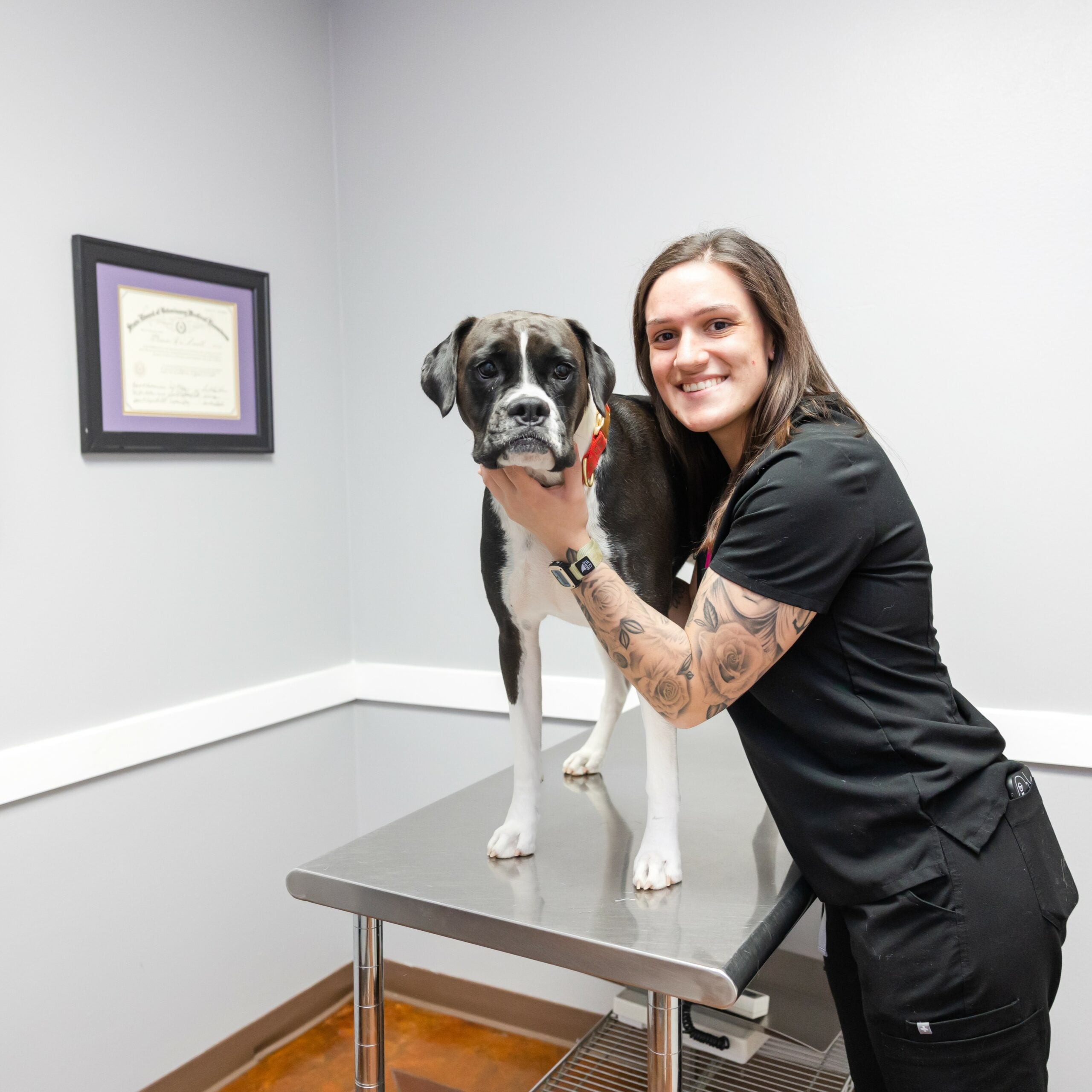
Two practical moments recur in almost every wellness visit. First, there is a tangible sense of gratitude in the room when a plan aligns with the family’s values. We celebrate small wins—weight that趋势 stabilizes, dental scores that improve after a home care routine, or a blood test that confirms stability in a previously monitored condition. Second, we leave a clear map for the next steps. This isn’t a one-off transaction; it is the start of a longer journey that includes nutrition refinements, exercise plans, and scheduled rechecks. The aim is continuity, a thread that threads through medical decisions and everyday routines alike.
What we offer goes beyond the exam room. Prairieville Animal Hospital veterinarians are well integrated with diagnostic teams, specialists when needed, and local resources for behavior modification, physiotherapy, and dental care. When a case treads into gray areas, we rely on the hospital’s network to coordinate a seamless path for the patient. The goal is to minimize the friction for families while maximizing outcomes for pets. If a radiograph reveals a subtle dental issue or if a medical condition requires a referral to a veterinary cardiologist, the transition is handled with care, with the family invited to participate and to voice questions that matter to them.
The day’s rhythm continues with routine reminders that many families skip to the bottom of the list but should not. Preventive care is the backbone of good health, and it carries a compounding benefit: early diagnosis, fewer crises, and a calmer household. Our team emphasizes the practical value of routine screening, even when a patient is perceived as perfectly healthy. We remind families that many diseases begin with barely perceptible changes that can nonetheless cross threshold if ignored. The best care plans minimize the number of visits required, because prevention reduces the need for urgent interventions later on.
Part of the discipline of wellness care is documenting progress. A meticulous chart is the backbone of long-term health. It records vaccination dates, dental cleanings, dental radiographs, bloodwork results, and any notable changes in behavior or appetite. This archive becomes a reference for future clinicians and a reassurance for owners. When a client returns with a question about a new symptom, the chart helps us respond quickly with context and a consistent history. The value of meticulous records isn’t abstract; it is practical, protecting animals and families alike.
As the visit nears its end, we provide a clear, compassionate summary. We reiterate what’s been observed, what’s been recommended, and what the family can expect during the next days, weeks, and months. We invite questions and encourage families to share concerns that may arise after the driver’s seat turns the corner and the car doors close. The wellness exam is, at its core, a trust-building exercise. It’s about showing up for the animal again and again, with the same steady approach, the same gentle touch, and the same commitment to everyday health.
Two lists that crystallize the practical aspects of the wellness exam can be helpful for families planning ahead.

-
What to bring and what to expect from the visit
-
A recent medication list and any supplements your pet takes
-
A note of any behavioral changes or appetite shifts

-
Your questions, no matter how small they seem
-
A rough memory of the pet’s daily routine, feeding schedule, and exercise
-
A list of previous health concerns or surgeries
-
Common questions veterinarians Prairieville Animal Hospital often address
-
How often should my pet come in for a wellness check at this life stage
-
What vaccines are necessary and why they are scheduled as they are
-
How to interpret a blood test result or a radiograph
-
What dietary adjustments might reduce risk for certain conditions
-
How to recognize early signs that should prompt a recheck
The wellness exam is not a single event but a recurring moment that anchors a broader plan of care. It is a conversation that evolves as a pet grows and as a family’s needs change. In Prairieville, the veterinarians aim to keep the conversation practical, transparent, and humane. The goal is not to overwhelm but to empower owners with information that translates into healthier lives for their animals.
A crucial, often understated aspect of wellness care is flexibility. Some days bring more complex questions than others. A pet may have concurrent conditions that require coordination with specialists, a schedule that necessitates a multi-visit plan, or a family life that demands careful timing of appointments. The team adapts. We adjust the pace of the exam, take extra moments to demonstrate at-home care techniques, or arrange sooner rechecks when a concern warrants closer monitoring. The adaptability is not a mark of improvised care but a recognition that real life does not follow a textbook. The clinic responds with empathy and precision, balancing the science of medicine with the art of listening.
The environment of Prairieville Animal Hospital reinforces a philosophy of preventive care. Cleanliness and organization are not afterthoughts but core standards that shape every interaction. The staff maintain spaces that minimize stress for animals, from quiet rooms to distraction-free lanes for anxious patients. Even routine procedures are approached with a mindset of gentle restraint and positive reinforcement. This matters because the first trustworthy experience with a vet can shape a family’s engagement with health care for years to come. We want the first impression to be a calm, informative introduction to what a wellness exam can offer.
Over time, the wellness exam becomes a shared language among families, clinicians, and staff. It’s a way to document the story of a pet’s health in a manner that respects both data and emotion. A chart may show a trend that alarms a clinician but is only a blip for a family who knows their animal well. In those moments, the ability to bridge clinical interpretation with real-world meaning is what elevates care from routine to responsible. The exam room becomes a place where science and empathy meet, where a veterinarian can explain a nuanced risk in a way that resonates with a family’s daily life, and where the pet can leave with a plan that feels doable and hopeful.
The wellness exam at Prairieville Animal Hospital is, in many ways, a microcosm of veterinary medicine itself. It is a blend of measurement and meaning, a dance between numbers and narratives. It requires technical proficiency, but it also demands the soft skills that make care humane: clear communication, patient listening, and respect for the bond between people and their animals. The exam is not merely a series of checks; it is a careful construction of a path forward, one that honors the pet’s dignity, supports the family’s routines, and safeguards health across seasons.
For the veterinarians, each wellness visit is an exercise in responsibility. We bear witness to a family’s trust and must respond with consistency, honesty, and practical guidance. The aim is always to maximize well-being with predictable outcomes. That means acknowledging uncertainty when it exists, offering options that respect different budgets and preferences, and ensuring that every recommendation has a clear rationale rooted in real-world evidence. The field is broad, the responsibilities heavy, and the rewards tangible. When a pet enjoys stronger energy, when dental health improves, or when a yearly screen confirms stability, the sense of contributing to something meaningful becomes the foundation of daily work.
In the end, the wellness exam is a service a small community relies on, a routine that preserves the joy of shared lives with pets. Prairieville Animal Hospital veterinarians practice with a steady cadence born of years in the trenches of animal health. The behind-the-scenes work is not glamorous, and it rarely makes headlines, but it matters. It matters to the pet who feels better, to the owner who sleeps a little more easily, and to the clinic that remains a trusted partner in daily life. The exam room is more than a space for examination; it is a place where careful observation, thoughtful dialogue, and practical action converge. It is where preventive care becomes a lived habit, and where science meets everyday hope.